
Nursing Philosophy Statement
I believe that nursing is fundamentally a caring profession one rooted in compassion, empathy, and a genuine commitment to the well-being of others. Being a nurse means making a meaningful difference in the lives of patients as whole individuals, not just addressing their physical needs but supporting their emotional, psychological, and social well-being. Nursing is about seeing people in their fullness and providing care that honors their dignity, humanity, and unique life experiences.
GOALS
1. I will improve my clinical communication skills with patients by practicing therapeutic communication techniques during each clinical shift. I will receive feedback from my clinical instructor at least twice during the semester and self-evaluate after every shift. I will use assigned readings, simulation labs, and instructor guidance to strengthen these skills. Communication is essential for providing safe, patient-centered care and building trust. I will achieve this by the end of the Winter 2026 semester.
2. I will enhance my clinical competency by mastering at least three new nursing skills introduced in second semester, such as wound care, sterile technique, and medication administration. I will successfully complete skills check-offs and demonstrate competency during clinical evaluations. I will practice each skill during lab sessions and review corresponding course materials and instructional videos. Developing technical proficiency is essential for safe and effective nursing practice. I will complete these competencies before the end of the Winter 2026 semester.
Personal values
-
Patience
Patience allows me to remain calm, supportive, and present with patients, even in challenging or emotionally charged situations. It ensures that I take the time to listen, understand their concerns, and provide care at a pace that respects their comfort and needs.
-
Compassion
Compassion is at the heart of my approach to nursing. It means responding to patients with empathy, kindness, and genuine concern, ensuring they feel seen, heard, and valued. Compassion guides how I build trusting relationships and support patients holistically.
-
Professionalism
Professionalism shapes the way I conduct myself in all aspects of nursing. It includes maintaining ethical standards, demonstrating accountability, communicating effectively, and upholding the integrity and trust essential to the nursing profession.
-
Cultural Sensitivity
Cultural sensitivity allows me to provide inclusive and respectful care to patients from all backgrounds. It means recognizing and valuing diverse beliefs, traditions, and experiences, and ensuring that care decisions honor each patient’s cultural identity and preferences.

Registered Practical Nurse: Diploma
-
Description: Nursing Diploma received from George Brown College upon successful completion of my nursing program.
-
Relevance: This diploma represents my formal education and qualification as a nurse, marking a key milestone in my journey and readiness to enter professional nursing practice.

CPR CERTIFICATION
- Description: CPR Certification obtained in September, 2025, demonstrating knowledge and competency in life-saving emergency procedures.
- Relevance: This certification is relevant to nursing practice as it ensures I am prepared to respond to cardiac emergencies and provide life-saving interventions when needed.
Resume
Description:
This resume outlines my educational background, work experience, certifications, and skills that reflect my ongoing commitment to developing as a healthcare professional. It provides an organized overview of my qualifications and the steps I have taken to prepare for a career in nursing.
Relevance:
My resume is relevant to my nursing portfolio because it demonstrates the foundation of competencies I bring into the nursing profession. It highlights my readiness for clinical practice, my dedication to continued learning, and the professional experiences that have shaped my interest in caring for others. This artifact supports my growth and shows how my past experiences contribute to the nurse I am becoming.
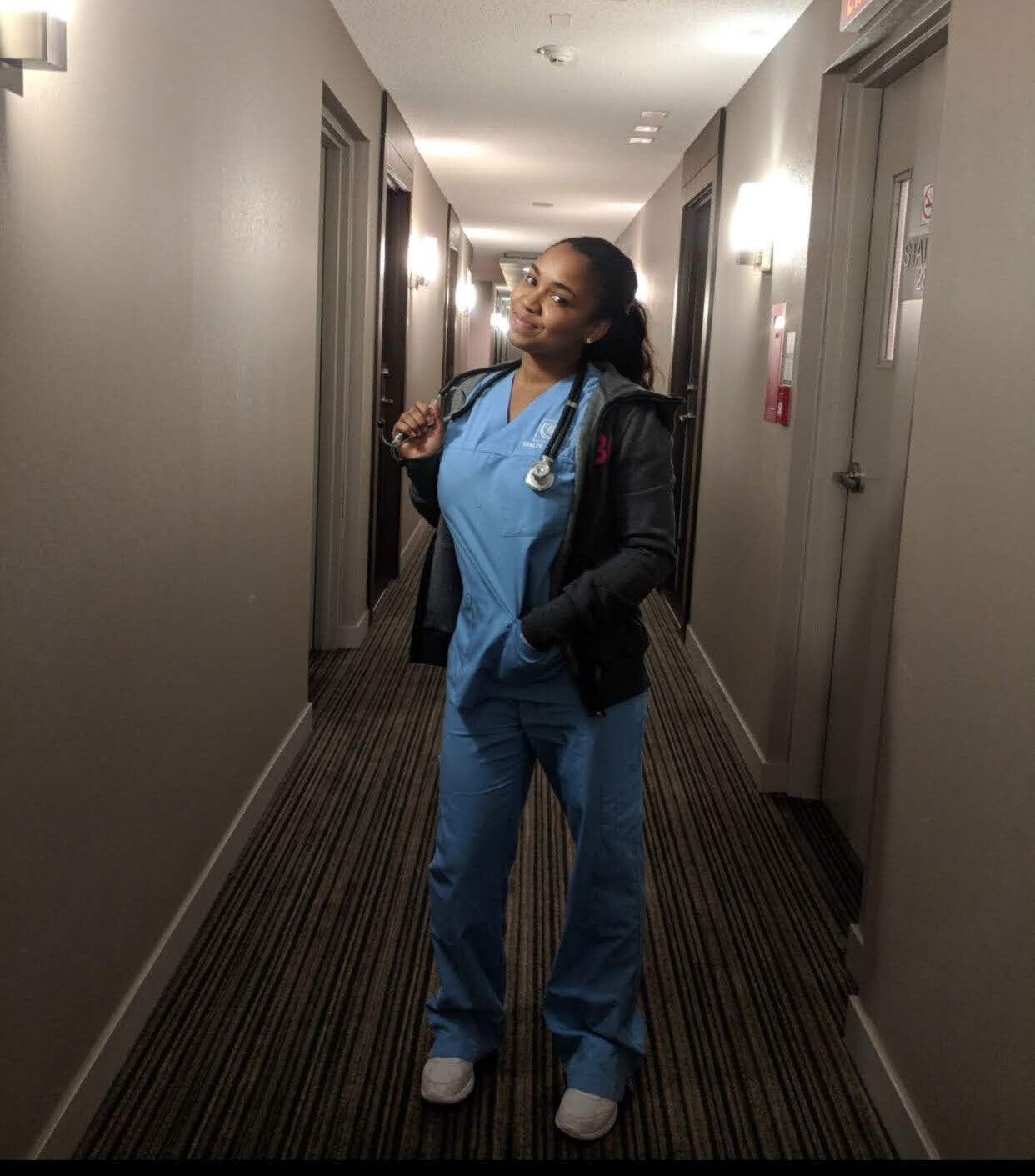
Reflection on Entry to Nursing
My entry into nursing has been a time of deep learning, self-discovery, and personal change. When I first began this journey, I knew that nursing was a caring profession, but I didn’t yet understand how far that caring truly extends. My early experiences have shown me that being a nurse means supporting patients not only physically, but also emotionally, culturally, and spiritually. I’ve had to shift from simply wanting to help people to developing the skills, mindset, and resilience needed to care for the whole person in a professional, meaningful way.
Through my coursework and experiences, I’ve realized how important holistic care is in shaping the nurse patient relationship. Dossey, Keegan, and Barrere (2022) explain that holistic nursing involves seeing each patient as a whole human being whose mind, body, and spirit are interconnected. This perspective aligns closely with my own belief that nursing goes far beyond treating illness it’s about understanding a person’s life, values, and experiences. In addition, research by Zhang et al. (2023) highlights how compassion plays a key role in nursing and how emotional challenges, like compassion fatigue, can affect the way nurses provide care. Learning about this has helped me understand how important it is to develop healthy coping strategies, boundaries, and self-awareness as I grow into the profession.
This transition into nursing has pushed me to step outside my comfort zone, rethink my assumptions, and build confidence in my ability to communicate and connect with others. I’ve learned that nursing is not just about performing tasks; it’s also about listening, being present, and showing genuine compassion. These early lessons have helped me appreciate what a privilege it is to be part of someone’s healing process. They have also strengthened my commitment to becoming a nurse who leads with patience, compassion, professionalism, and cultural sensitivity values that will guide me throughout my career.
PANDEMIC RESPONSE NURSE
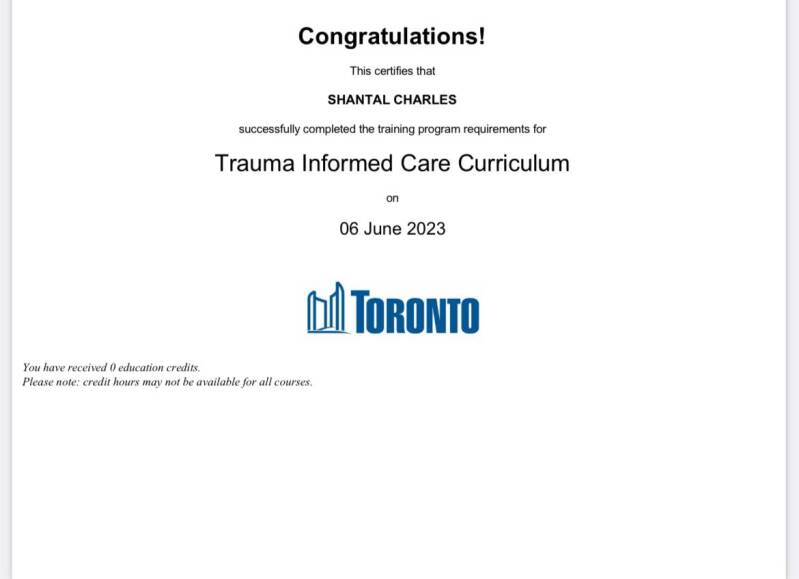
I am honored to have received an achievement certificate from Toronto Public Health in recognition of my contributions during the COVID-19 pandemic. This certificate acknowledges my dedication, resilience, and commitment to supporting public health efforts during an unprecedented global health crisis. Being part of the frontline response allowed me to make a meaningful impact in the community and reinforced my commitment to public service and health advocacy


Short-Term Goals (1–2 years)
-
Successfully complete the RN program at Trent University and strengthen theoretical foundations in nursing practice.
-
Apply advanced assessment skills, critical thinking, and evidence-based decision-making gained through RN education.
-
Continue building clinical confidence in diverse settings such as acute care, community health, or public health.
-
Pursue additional certifications that support RN practice, such as ACLS, CPI, or specialized workshops.
-
Expand leadership skills through collaboration, clinical placements, and reflective practice.
Long-Term Goals (3–5+ years)
-
Transition into an RN role in a setting that aligns with my interests, such as public health, emergency medicine, community care, or acute care.
-
Develop expertise in patient advocacy, health promotion, and complex clinical care.
-
Take on leadership or mentorship opportunities within the nursing team.
-
Continue advancing my education—potentially pursuing a Bachelor of Science in Nursing completion, specialty certifications, or graduate studies.
-
Contribute to quality improvement projects and evidence-based practice initiatives within my workplace.
Continuing Education Plan
-
Complete all required coursework, clinical hours, and competencies for the RN program at Trent University.
-
Engage in ongoing professional development through workshops, nursing association seminars, and online learning relevant to RN practice.
-
Maintain all core certifications (BLS/ACLS, CPR) and upgrade as needed.
-
Seek additional learning opportunities in areas such as infection control, chronic disease management, mental health, and public health nursing.
-
Regularly evaluate my progress and update my learning goals to stay aligned with evolving RN responsibilities and healthcare standards.
-
Continue pursuing higher education or specialty certifications based on long-term career interests.

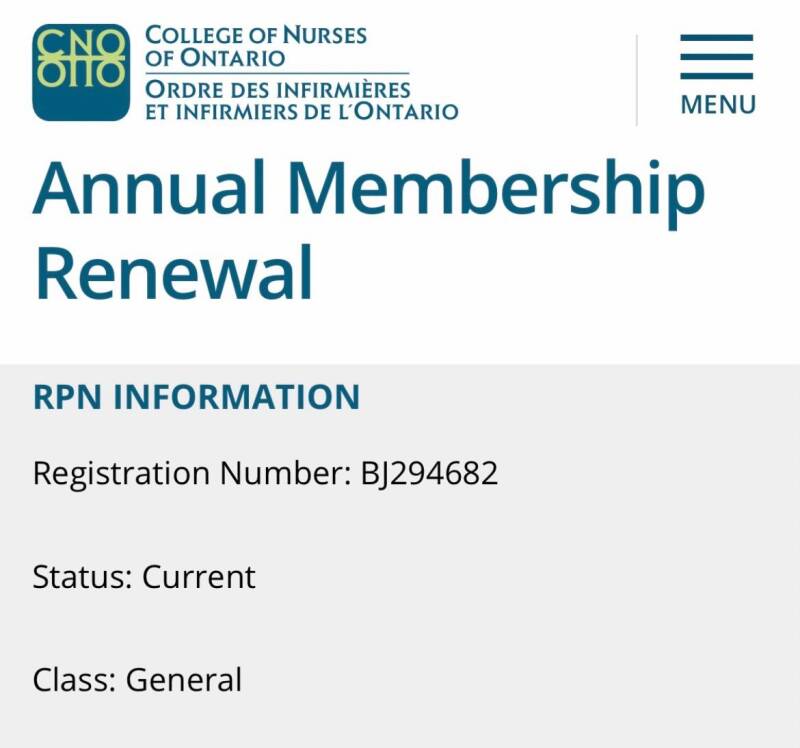

Contact Nurse Shantal


References
Dossey, B. M., Keegan, L., & Barrere, C. C. (2022). Holistic nursing: A handbook for practice (8th ed.). Jones & Bartlett Learning.
Zhang, J., Zou, J., Wang, X., et al. (2023). Clinical nurses’ compassion fatigue psychological experience process: a constructivist grounded theory study. BMC Nursing, 22, 487. https://bmcnurs.biomedcentral.com/articles/10.1186/s12912-023-01665-3
Create Your Own Website With Webador